What Is e-Residency and How Does Estonian Company Data Become Public?
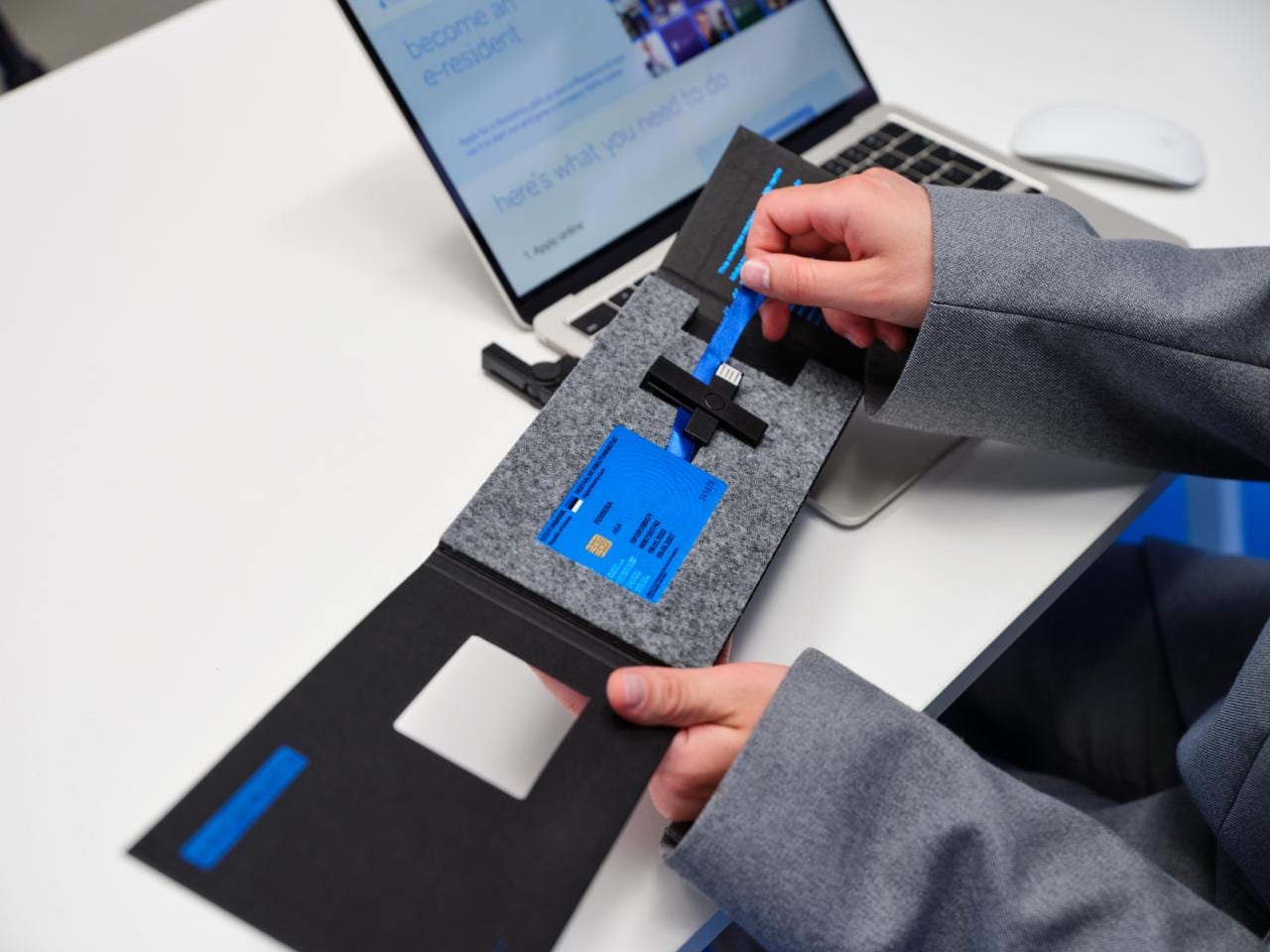
Estonia's e-Residency program has attracted hundreds of thousands of applicants from around the world, many drawn by the promise of running an EU company entirely online. What surprises some of them later is discovering that their name, role, and date of birth are publicly visible on the internet. This is not a leak or a mistake. It is how Estonia's transparent business environment works by design. Here is what e-Residency is, what it is not, and why company data becomes public.
What e-Residency Actually Is
e-Residency is a government-issued digital identity for non-residents, launched by Estonia in 2014. It gives you a secure digital ID that lets you sign documents, access Estonian e-services, and establish and manage an Estonian company from anywhere in the world. For freelancers, digital entrepreneurs, and small businesses that want an EU-based company without relocating, it removes most of the paperwork and the need to be physically present.
The appeal is real: You can incorporate a company, open access to EU markets, and handle administration online, all with a single digital identity that Estonia stands behind.
What e-Residency Is Not
It is just as important to understand the limits. e-Residency does not grant citizenship, physical residency, or the right to live in Estonia or the European Union. It is not a tax residency, and it does not by itself determine where you owe taxes. It does not automatically give you a bank account, nor is it a way to hide ownership or operate anonymously.
That last point matters most for what follows. e-Residency is built on transparency, not secrecy.
How Your Company Data Becomes Public
When you use e-Residency to establish a company, that company is registered in the Estonian Business Register (äriregister). The Business Register is publicly available under the Commercial Register Act (äriregistri seadus). The moment your company is entered into the register, the people behind it become part of a public record.
This is the same register, governed by the same rules, that applies to companies founded by Estonian residents. e-Resident companies are not treated differently. If you incorporate in Estonia, you incorporate into a public system.
What Specifically Becomes Public
The Business Register typically makes the following visible: The company name and registry code, the registered address, the management board members, the shareholders, and the beneficial owners. For the individuals in those roles, this generally includes name, date of birth, and the role itself, along with relevant dates.
Because this is public data, it can also be accessed and republished. Official sources like the register itself, as well as business information services such as nimistu, Inforegister, Infopank, and Teatmik, display this information. Search engines can index it. This is why your name may appear in a Google search connected to your company.
Why Estonia Makes This Data Public
Transparency in the Business Register serves a clear purpose: Legal certainty and the protection of third parties. When you do business with a company, you have the right to know who controls it and who can legally represent it. Open company and ownership data also helps combat fraud and money laundering, and the EU's Open Data Directive specifically identifies company ownership data as high value for the public. In short, the openness that exposes your data is the same openness that lets you check anyone else.
Can You Remove Your Data?
Generally, no, not while you hold a current role in an active company. Because the data comes from a public register maintained in the public interest, the right to erasure under the GDPR does not override the transparency of the register for current company officers. Once your roles end, retention is more limited over time. If you ever spot a factual error, you can ask to have it corrected against the official register.
The Bottom Line
e-Residency is a powerful, legitimate tool for running an EU company online, but it comes with a trade-off that is worth understanding upfront: Incorporating in Estonia means joining a transparent public register. That openness is a feature of doing business in Estonia, not a flaw, and it is the same transparency that lets you verify the companies and partners you deal with.